Washing Machine Check Up

Plumbing company in Houston, TX · Since 2005

Plumbing 101 · August 27, 2016 · By admin

Washing Machine Check Up

Just recently my washing machine broke. Everything had been fine the week before — no strange noises, the water came and went as it was supposed to, and my clothes were clean. To suddenly find that the water did not go where it was supposed to was slightly alarming. I did the logical thing and put "Spin" on the little dial. Big mistake. More water came, and it still had nowhere to go.

I always thought washing machines were impossible to break. I found the big piece of metal so intimidating that I never did a check up. That was my first mistake.

No matter how good you are with plumbing or hooking up your machines, there can always be a problem. Checking in regularly — opening your washer without the intent of putting clothes in it — can help in the long run. Nearly everyone knows to clean the lint tray. That is the first thing you need to do to help your machine stay in perfect condition.

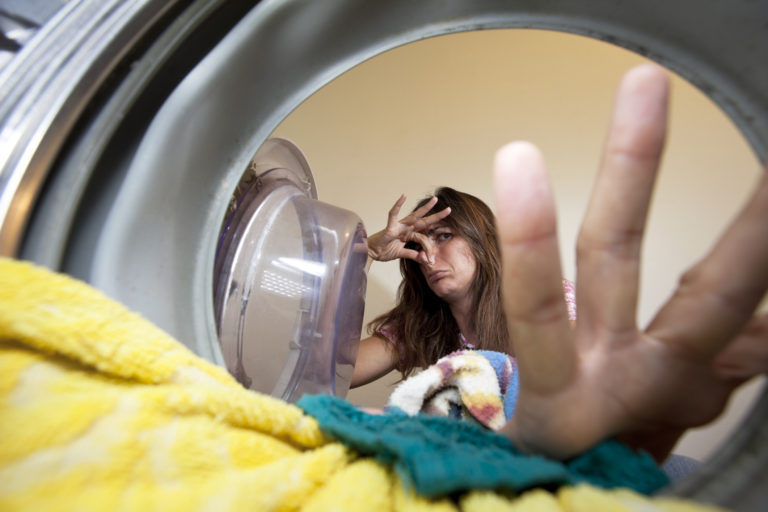
Another big one is time. Do not leave your clothes sitting in the washer for too long. Letting them sit can lead to bad odor, and even mold. Before you close the lid for another week, make sure you do not see any mold growing.

Once a month, check all the connections. Make sure there are no broken pipes or worn-out parts. Make sure your washer is level — even a slightly crooked machine will shake when running, which can lead to it banging itself or damaging wires.

You should also clean your washer. Just because it makes your clothes clean does not mean it is clean. Some washers have a specific cleaning detergent, and if all else fails, a wet towel can help.

Keeping an eye on your machines can be tedious, but it's so worth it. Because I never pulled the washer out for a little check up, I now have to buy a new one. Don't make the same mistake — check on it and clean it. Hopefully you won't have to buy a new one for a very long time.

Need a hand instead?

See our drain line, faucet & disposal and leak detection services.

Ready to talk about your plumbing project?

Mon – Fri, 7 AM – 5 PM · Sat – Sun: emergencies only

Noisy Faucets?

Plumbing company in Houston, TX · Since 2005

Plumbing 101 · August 10, 2016 · By admin

Noisy Faucets?

Noisy faucets are annoying. A lot of times you learn to live with it and get used to hearing the sound in the middle of the night. If you can't stand the sound, here's how to find where it's coming from and why it's happening:

1) Aerator

The aerator is the screen behind the faucet spout. If a lot of minerals build up, you could have a leaky sink. To check, unscrew it and run the water without the filter. If there's no longer a sound, buy a new one and install it.

2) Washers

A washer that has been in use too long, was installed incorrectly, or is the wrong size could be the reason you can't sleep at night. To replace it, turn off the water supply and take your faucet apart. Once the handles are off, swap the old washers for new ones that fit.

3) Pressure

If your water pressure is too high, it could damage your equipment and cause the noise. Test it with a water gauge — over 80 psi can be a problem. If so, try installing a pressure regulator on your main water line.

4) New plumbing

Older homes can have a lot of debris in the pipes. Replacing a plumbing system can be complicated and dangerous; calling a plumber can sometimes be cheaper than accidentally damaging your house.

Sometimes the smallest sounds mean the biggest problems. Contacting your local plumber is the safer route if you can't find the source of the sound.

Need a hand instead?

See our drain line, faucet & disposal and leak detection services.

Ready to talk about your plumbing project?

Mon – Fri, 7 AM – 5 PM · Sat – Sun: emergencies only

Mildew and Mold? How About No!

Plumbing company in Houston, TX · Since 2005

Plumbing 101 · August 2, 2016 · By admin

Mildew and Mold? How About No!

No matter how clean you are, mold can occur anywhere. Even hotels have had problems with mildew in their bathrooms. Any damp place, such as basements and bathrooms, can grow these fungi — and if it goes unnoticed, a row of problems can follow.

Are they different?

Mildew is a light, powder-like film that is white or grey. Mold is a lot darker — black, green or brown — and tends to build up, looking fuzzy.

Health issues

Even a healthy person can get respiratory problems from being near mold or mildew. For people who already have respiratory problems, exposure can be seriously harmful.

Scrub, scrub, scrub

As ugly as these fungi are, they're relatively easy to clean. Get a soft-bristled sponge, mix bleach and water in a spray bottle, spray the affected area, let it sit for ten minutes, then scrub.

Where is it coming from?

In damp places, the only way to stop them is constant cleaning. But if it appears somewhere that isn't damp, get worried — it can mean a leak is letting water in.

Is it too much?

If you can't find the source, or you find a leak, ask for help. Call a plumber or your maintenance office. It's better to be safe than sorry!

Need a hand instead?

See our drain line, faucet & disposal and leak detection services.

Ready to talk about your plumbing project?

Mon – Fri, 7 AM – 5 PM · Sat – Sun: emergencies only