Washing Machine Check Up

Plumbing company in Houston, TX · Since 2005

Plumbing 101 · August 27, 2016 · By admin

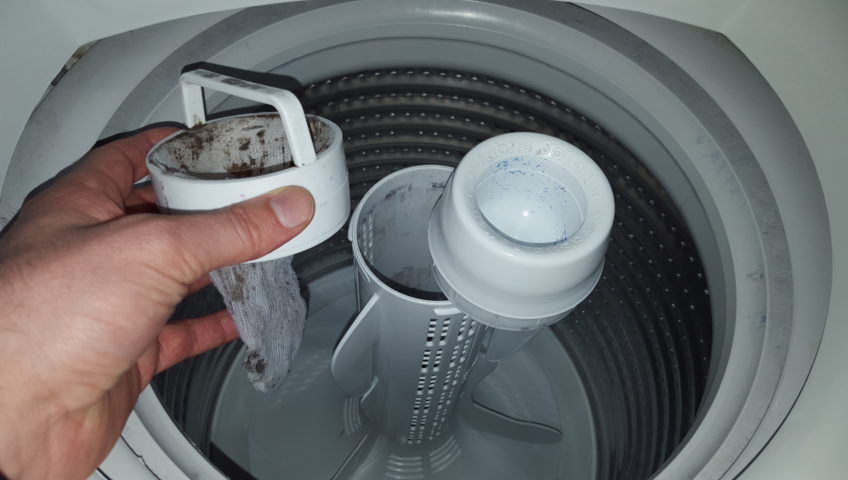
Washing Machine Check Up

Just recently my washing machine broke. Everything had been fine the week before — no strange noises, the water came and went as it was supposed to, and my clothes were clean. To suddenly find that the water did not go where it was supposed to was slightly alarming. I did the logical thing and put "Spin" on the little dial. Big mistake. More water came, and it still had nowhere to go.

I always thought washing machines were impossible to break. I found the big piece of metal so intimidating that I never did a check up. That was my first mistake.

No matter how good you are with plumbing or hooking up your machines, there can always be a problem. Checking in regularly — opening your washer without the intent of putting clothes in it — can help in the long run. Nearly everyone knows to clean the lint tray. That is the first thing you need to do to help your machine stay in perfect condition.

Another big one is time. Do not leave your clothes sitting in the washer for too long. Letting them sit can lead to bad odor, and even mold. Before you close the lid for another week, make sure you do not see any mold growing.

Once a month, check all the connections. Make sure there are no broken pipes or worn-out parts. Make sure your washer is level — even a slightly crooked machine will shake when running, which can lead to it banging itself or damaging wires.

You should also clean your washer. Just because it makes your clothes clean does not mean it is clean. Some washers have a specific cleaning detergent, and if all else fails, a wet towel can help.

Keeping an eye on your machines can be tedious, but it's so worth it. Because I never pulled the washer out for a little check up, I now have to buy a new one. Don't make the same mistake — check on it and clean it. Hopefully you won't have to buy a new one for a very long time.

Need a hand instead?

See our drain line, faucet & disposal and leak detection services.

Ready to talk about your plumbing project?

Mon – Fri, 7 AM – 5 PM · Sat – Sun: emergencies only

Noisy Faucets?

Plumbing company in Houston, TX · Since 2005

Plumbing 101 · August 10, 2016 · By admin

Noisy Faucets?

Noisy faucets are annoying. A lot of times you learn to live with it and get used to hearing the sound in the middle of the night. If you can't stand the sound, here's how to find where it's coming from and why it's happening:

1) Aerator

The aerator is the screen behind the faucet spout. If a lot of minerals build up, you could have a leaky sink. To check, unscrew it and run the water without the filter. If there's no longer a sound, buy a new one and install it.

2) Washers

A washer that has been in use too long, was installed incorrectly, or is the wrong size could be the reason you can't sleep at night. To replace it, turn off the water supply and take your faucet apart. Once the handles are off, swap the old washers for new ones that fit.

3) Pressure

If your water pressure is too high, it could damage your equipment and cause the noise. Test it with a water gauge — over 80 psi can be a problem. If so, try installing a pressure regulator on your main water line.

4) New plumbing

Older homes can have a lot of debris in the pipes. Replacing a plumbing system can be complicated and dangerous; calling a plumber can sometimes be cheaper than accidentally damaging your house.

Sometimes the smallest sounds mean the biggest problems. Contacting your local plumber is the safer route if you can't find the source of the sound.

Need a hand instead?

See our drain line, faucet & disposal and leak detection services.

Ready to talk about your plumbing project?

Mon – Fri, 7 AM – 5 PM · Sat – Sun: emergencies only

Mildew and Mold? How About No!

Plumbing company in Houston, TX · Since 2005

Plumbing 101 · August 2, 2016 · By admin

Mildew and Mold? How About No!

No matter how clean you are, mold can occur anywhere. Even hotels have had problems with mildew in their bathrooms. Any damp place, such as basements and bathrooms, can grow these fungi — and if it goes unnoticed, a row of problems can follow.

Are they different?

Mildew is a light, powder-like film that is white or grey. Mold is a lot darker — black, green or brown — and tends to build up, looking fuzzy.

Health issues

Even a healthy person can get respiratory problems from being near mold or mildew. For people who already have respiratory problems, exposure can be seriously harmful.

Scrub, scrub, scrub

As ugly as these fungi are, they're relatively easy to clean. Get a soft-bristled sponge, mix bleach and water in a spray bottle, spray the affected area, let it sit for ten minutes, then scrub.

Where is it coming from?

In damp places, the only way to stop them is constant cleaning. But if it appears somewhere that isn't damp, get worried — it can mean a leak is letting water in.

Is it too much?

If you can't find the source, or you find a leak, ask for help. Call a plumber or your maintenance office. It's better to be safe than sorry!

Need a hand instead?

See our drain line, faucet & disposal and leak detection services.

Ready to talk about your plumbing project?

Mon – Fri, 7 AM – 5 PM · Sat – Sun: emergencies only

Do These 5 Things Before Going on Vacation!

Plumbing company in Houston, TX · Since 2005

Plumbing 101 · July 26, 2016 · By admin

Do These 5 Things Before Going on Vacation!

As summer drags on, many leave for vacation. These little tips will help you save money and avoid worrying about your house while you're away.

1. Turn off your water

If a pipe were to break, no one would be home to fix it and the water would run and run. Keeping it off saves money and prevents a catastrophe.

2. Stop the ice

An automatic ice machine left on for a week without use can produce too much ice. As it piles up, the machine could clog and waste water and money.

3. Disconnect

Unplug anything you can. It saves on your bill — and if water were to somehow get in, nothing will get fried.

4. It's getting hot in here

Leaving the AC running hard for days can be damaging and expensive. Before you leave, program it or leave it at about 70°F.

5. Clean up

Get rid of perishables and take out the trash to prevent mold, pests and foul smells when you get home.

Having fun in the sun is great — even better when you don't have to worry. Have fun, and stay safe!

Need a hand instead?

See our drain line, faucet & disposal and leak detection services.

Ready to talk about your plumbing project?

Mon – Fri, 7 AM – 5 PM · Sat – Sun: emergencies only
What to Avoid When Using the Disposal…

Plumbing company in Houston, TX · Since 2005

Plumbing 101 · July 19, 2016 · By admin

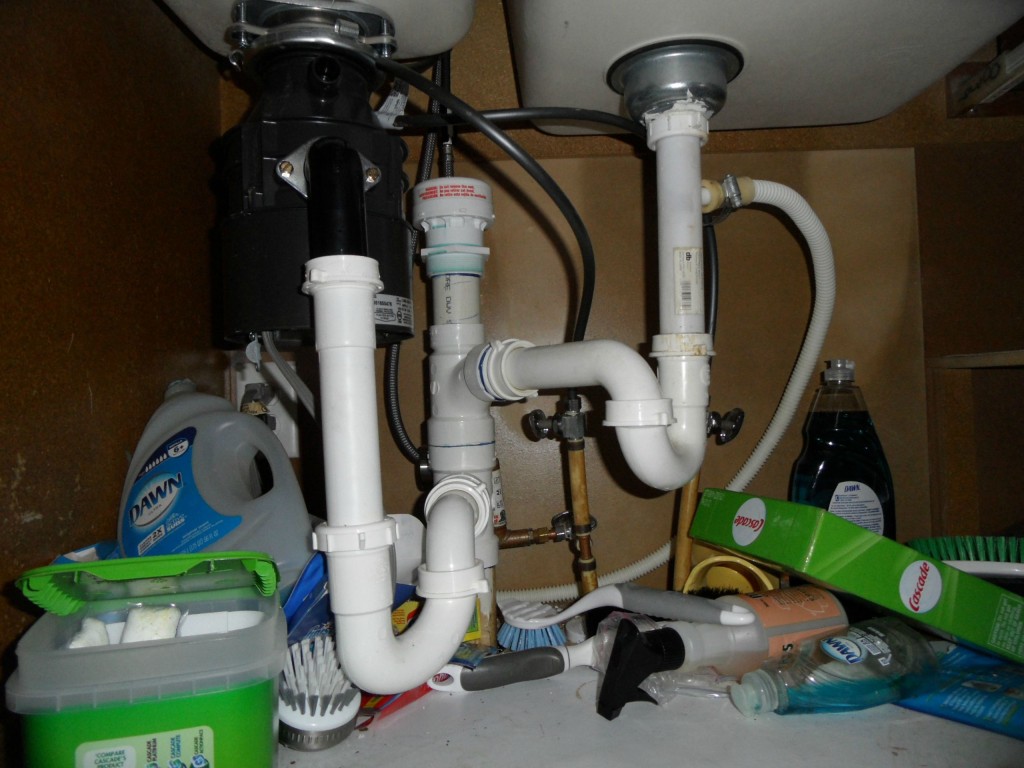
What to Avoid When Using the Disposal…

Being able to get rid of the smallest bits of food that fall down the drain is a luxury most people take for granted. If you're not careful, not only could odors build up — you could also damage your system. Here are simple tips to prolong your disposal's life.

Don't grind

  • Large bones
  • Peels from starchy foods (potato peels, banana peels)
  • Coffee grounds or egg shells
  • Fat or grease
  • Fibrous vegetables (asparagus, celery)
  • Absorbent foods (pasta, rice)

What you can do to help

  • Grind small bones
  • Grind up some ice to keep the blades sharp
  • Grind up orange or lemon peels

Need a hand instead?

See our drain line, faucet & disposal and leak detection services.

Ready to talk about your plumbing project?

Mon – Fri, 7 AM – 5 PM · Sat – Sun: emergencies only
6 Common Mistakes To Avoid When Doing Plumbing Yourself

Plumbing company in Houston, TX · Since 2005

Plumbing 101 · June 1, 2016 · By admin

6 Common Mistakes To Avoid When Doing Plumbing Yourself

Sometimes you find yourself deciding between hiring a professional plumber or fixing the problem yourself. If you know what you're doing, handling small problems on your own can save on repair bills. But if you're unsure, don't hesitate to contact a professional plumbing company. Before you start, avoid these common mistakes:

Leaving the water on during repairs

The cardinal rule: turn the water off before you begin — either the main shutoff valve or the localized valves near sinks and toilets. Otherwise, water can come gushing out at full pressure from whatever pipe you just loosened.

Being careless with the soldering torch

Soldering isn't necessarily difficult, but it can be dangerous. Protect flammable areas near your workspace, and never set the torch down unattended while lit.

Flushing trash down the toilet

Never flush anything but toilet paper and human waste. Trash and other products can clog pipes quickly and cause a hazardous overflow.

Putting grease into the sink drain

Fat and grease can clog your drain badly enough to force you to call a plumber. Plumbing works best when it's well cared for.

Leaving exposed pipes in the winter

Plumbing in unheated areas or exposed outdoors can freeze and burst. Drain your irrigation system and insulate at-risk pipes before a frigid flood.

Refusing to ask for help

Sometimes you just need to call in a plumber. Even jobs that look simple can produce serious complications.

Let us do it right!

If you aren't sure you can handle the job, it's always better to call professionals with the experience to get everything repaired at a fair price.

Need a hand instead?

See our drain line, faucet & disposal and leak detection services.

Ready to talk about your plumbing project?

Mon – Fri, 7 AM – 5 PM · Sat – Sun: emergencies only